


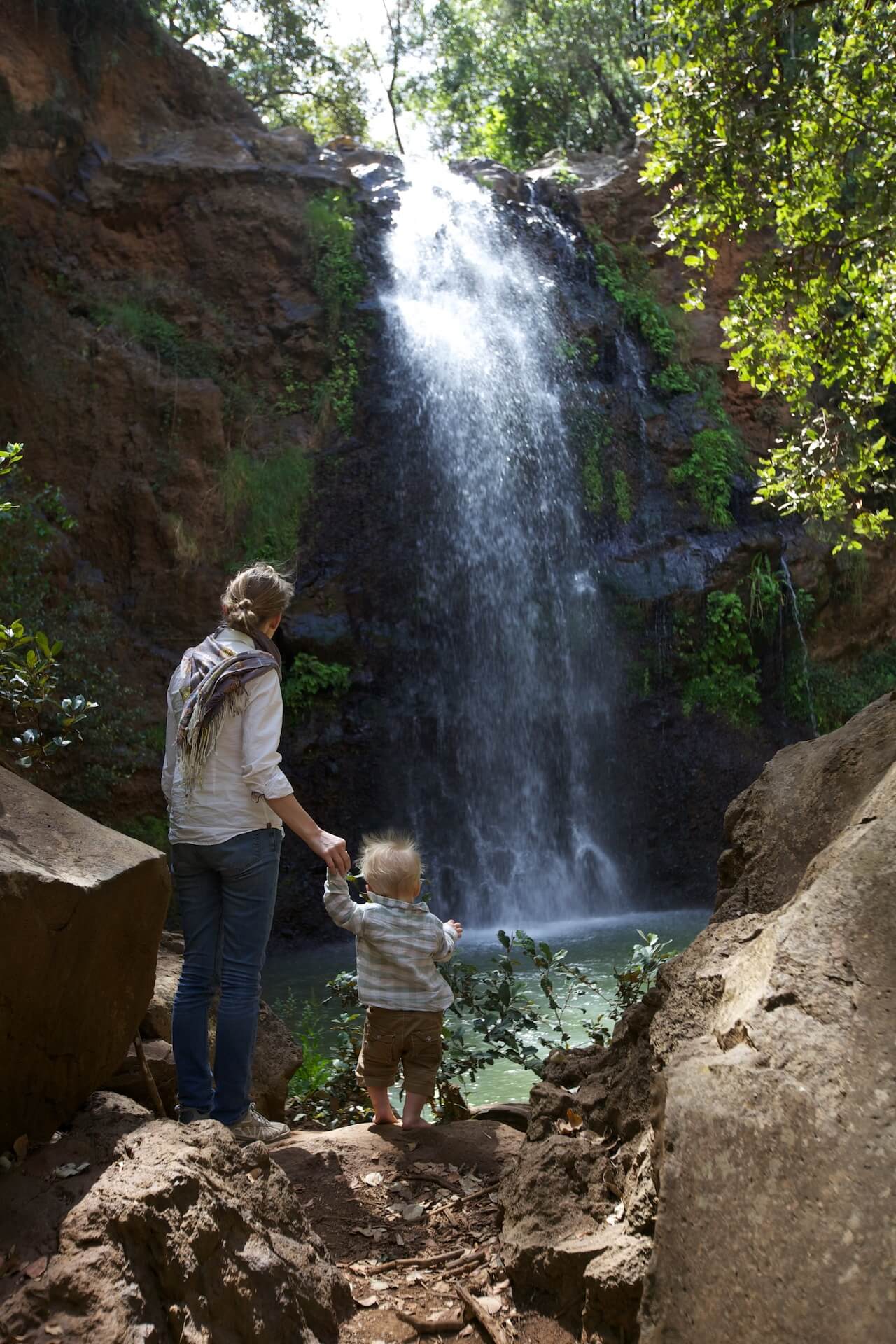


Why Kenya
- Located in East Africa with Coast line at the Indian Ocean
- The birthplace of Safari. No other country comes close to the untamed beauty of Kenya’s wild
- Home to the Great Migration, known as one of the world’s greatest natural phenomena
- Big 5 viewing (Elephant, Lion, Leopard, Rhino, Buffalo)
- Easy access from Nairobi’s international airport, JKIA
- Located on the equator, Kenya does not have seasons. The weather fluctuates between 13-28 (degrees C) throughout the year, making Kenya an all-year destination
When To Go
While Kenya is an all-year destination, different months offer different landscapes, different weather, and large discrepancy in pricing.
High/Peak Season
Low/Green Season
When
June to October (Great Migration time)
Christmas to New Year
Christmas to New Year
November to March
Accomodation Rates
High
Low
Weather
Cool and Dry
Warm with Occasional afternoon rains
Game Viewing Highlights
Wildebeest Migration
River Crossings
Big Cats & Big Five
River Crossings
Big Cats & Big Five
Migrant birds arrive - fantastic for bird watching
Birthing season - lots of baby animals
Big Cats & Big Five
Birthing season - lots of baby animals
Big Cats & Big Five
Landscape
Dry and Dusty
Lush and Green
Migration
Yes
No
High/Peak Season
When
June to October (Great Migration time)
Christmas to New Year
Christmas to New Year
Accomodation Rates
High
Weather
Cool and Dry
Game Viewing Highlights
Wildebeest Migration
River Crossings
Big Cats & Big Five
River Crossings
Big Cats & Big Five
Landscape
Dry and Dusty
Migration
Yes
Low/Green Season
When
November to March
Accomodation Rates
Low
Weather
Warm with Occasional afternoon rains
Game Viewing Highlights
Migrant birds arrive - fantastic for bird watching
Birthing season - lots of baby animals
Big Cats & Big Five
Birthing season - lots of baby animals
Big Cats & Big Five
Landscape
Lush and Green
Migration
No

The Great Wildebeest Migration
Known as one of the world’s grandest natural phenomena!
Occurring in Masai Mara, Kenya, every year from July – October, over 1.5 Million Wildebeest thunder from the Serengeti into the Maasai Mara – and no two migrations are ever the same!
Millions of wildbeest, zebras and gazelles, embark on a journey across the Serengeti-Mara ecosystem. This arduous trek, spanning over 1,800 miles, is driven by the instinctive search for fresh grazing lands and water. The timing is always unpredictable – the animals follow the rains, not a calendar.
Few sights on Earth compare to the drama of the river crossings in Kenya’s Masai Mara. It’s nature at its most primal – pure, raw, untamed wild.
Every year, thousands of travelers from around the globe come to witness this once-in-a-lifetime adventure.
Where To Go

Masai Mara
The Masai Mara is undoubtedly Kenya’s most famous wildlife reserve, renowned for the annual Great Migration, where millions of wildebeest, zebras, and gazelles traverse the Mara River in search of greener pastures. The Mara offers an unparalleled wildlife experience, including the Big Five—lions, elephants, buffalo, leopards, and rhinos.
Jan – June
$100 per adult for 12 hours
$50 per child for 12 hours
July – Dec
$200 per adult for 12 hours
$100 per child for 12 hours
Distance from Nairobi
Approximately 270 km (5 hours by road, 1 hour by flight)

Amboseli National Park
Known for its large elephant herds and stunning views of Mount Kilimanjaro, Amboseli is a photographer’s paradise. The park’s landscape is dominated by swamps and marshes, providing a unique backdrop for wildlife viewing.
$60 per adult per day
$35 per child per day
Distance from Nairobi
Approximately 240 km (4 hours by road, 45 minutes by flight)
Samburu National Reserve
Samburu is a less frequented but equally captivating reserve located in the arid northern region of Kenya. The park is home to unique wildlife species, such as the Grevy’s zebra, reticulated giraffe, and Somali ostrich, which are not found in other parts of the country.
$60 per adult per day
$35 per child per day
Distance from Nairobi
Approximately 350 km (6-7 hours by road, 1 hour by flight)

The Great Rift Valley
A dramatic geographical wonder stretching across Kenya, the Great Rift Valley is home to a series of picturesque lakes and escarpments teeming with birdlife and wildlife. Highlights include Lake Naivasha, known for boat safaris and hippos; Lake Nakuru, famed for flamingos and rhinos; and Lake Elementaita, a quiet, scenic escape. The valley offers diverse safari experiences—from game drives to hot springs, crater lakes, and panoramic viewpoints.
Park Entry Fees (Lake Nakuru National Park)
$60 per adult per day
$35 per child per day
Distance from Nairobi
Approximately 160 km to Lake Nakuru (2.5–3 hours by road)
Approx. 100 km to Lake Naivasha (1.5–2 hours by road)

Tsavo
Tsavo is Kenya’s largest national park. Tsavo is divided into East and West, each offering distinct experiences. Tsavo East is known for its vast, arid landscapes and red elephants, while Tsavo West features lush, hilly terrain and the stunning Mzima Springs
$60 per adult per day
$35 per child per day
Distance from Nairobi
Approximately 240 km to Tsavo West (4 hours by road)
Approximately 300 km to Tsavo East (5 hours by road)

Ol Pejeta (Mt Kenya Region)
Ol Pejeta is renowned for its successful rhino conservation efforts and is home to the last northern white rhinos. The conservancy offers a mix of wildlife experiences, including walking safaris and night drives.
$110 per adult per day
$55 per child per day
Distance from Nairobi
220 km (approximately 3.5 hours by road or 40 minutes by flight)
Activities & Experiences
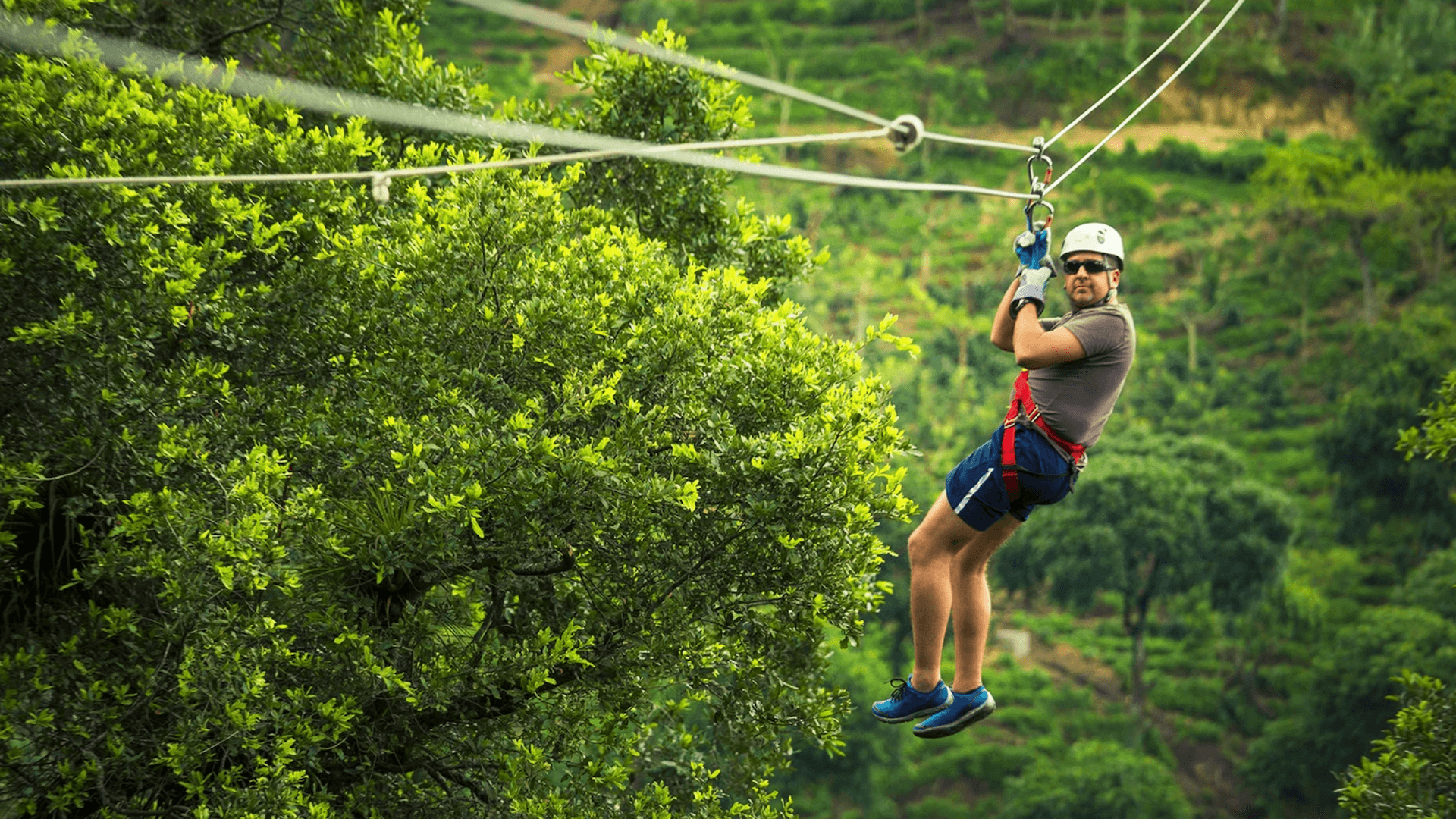
Ziplining Experience
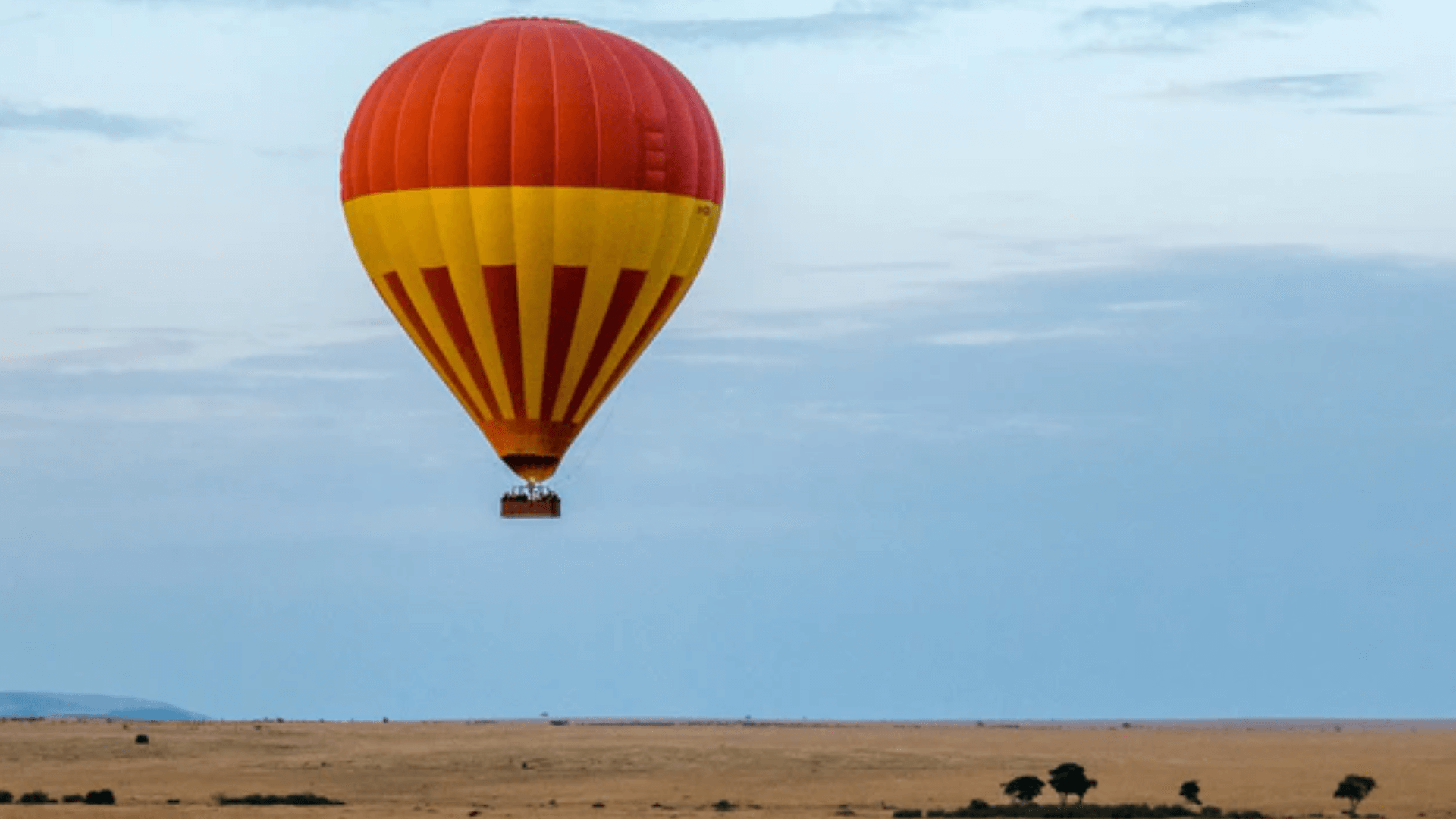
Hot Air Balloon
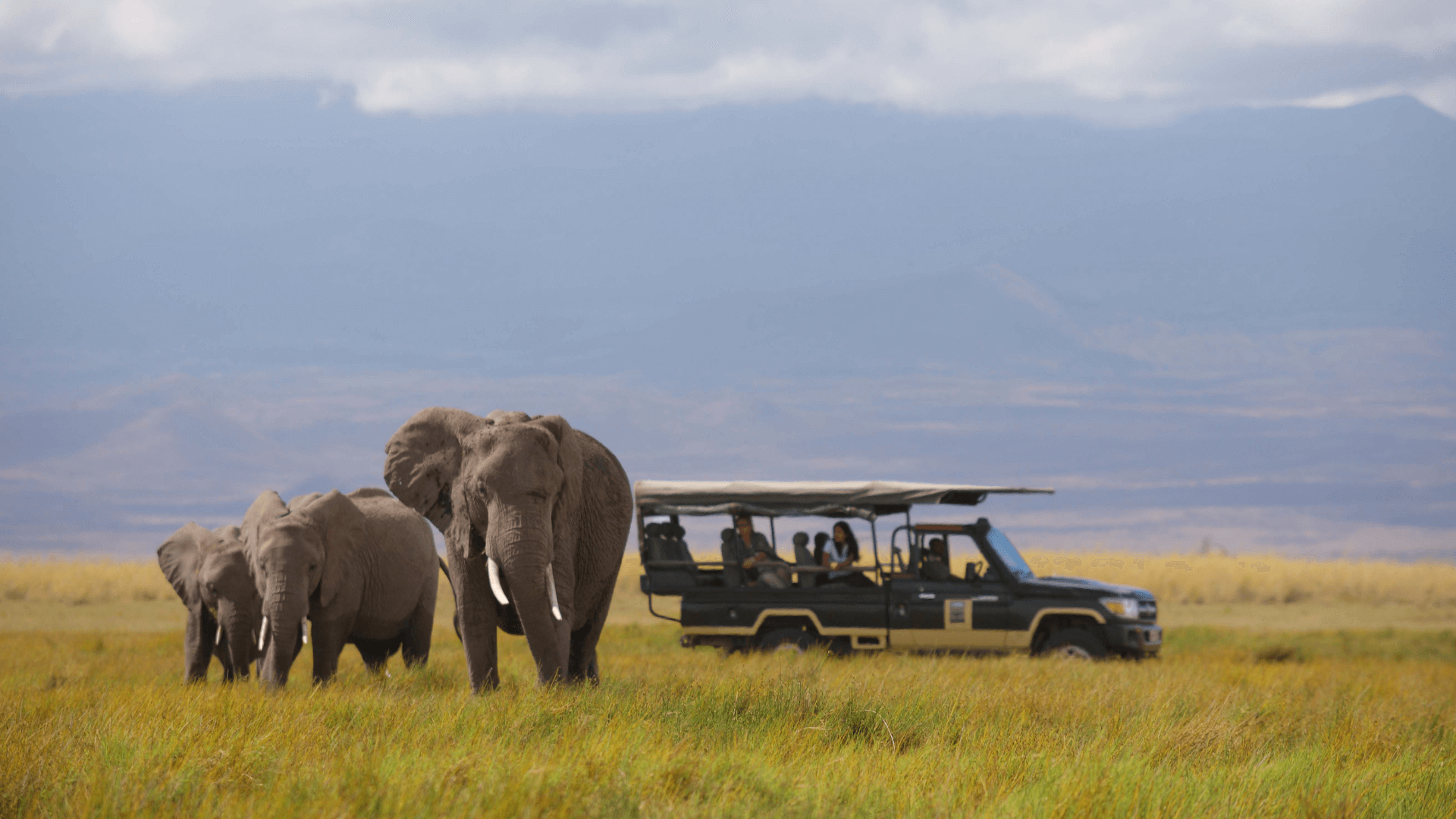
Game Drives
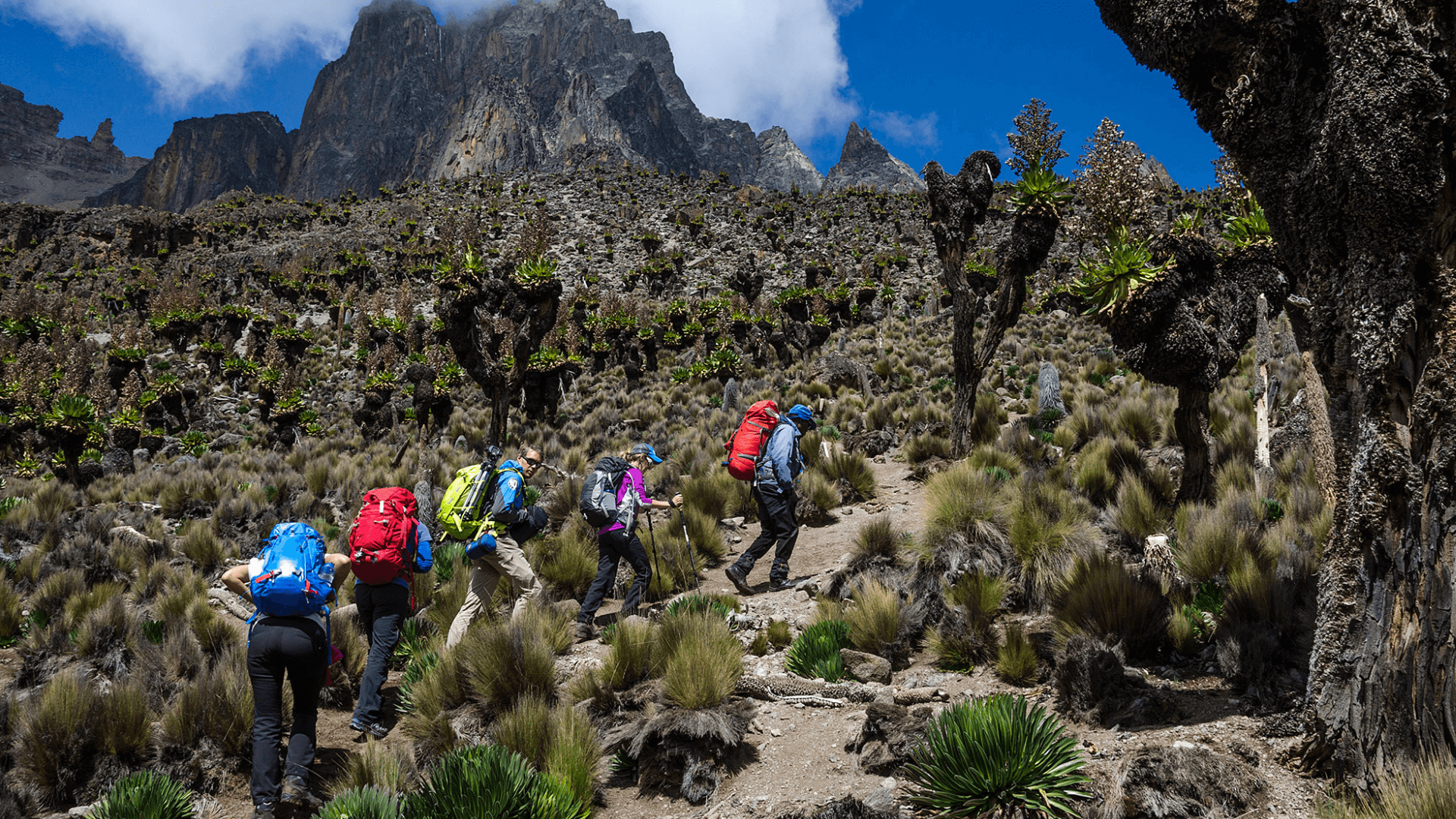
Mountain Hiking
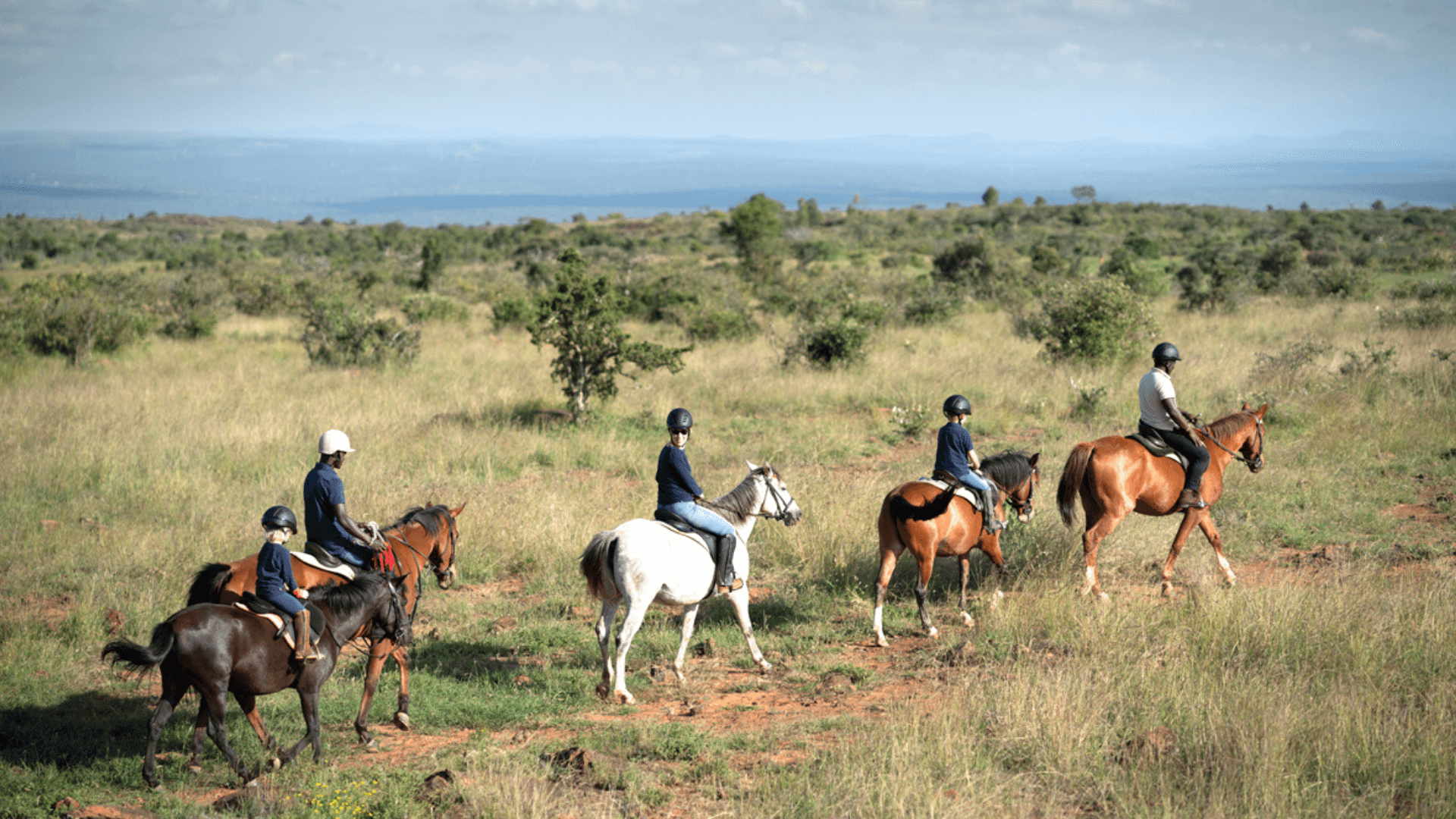
Horse Back Safari
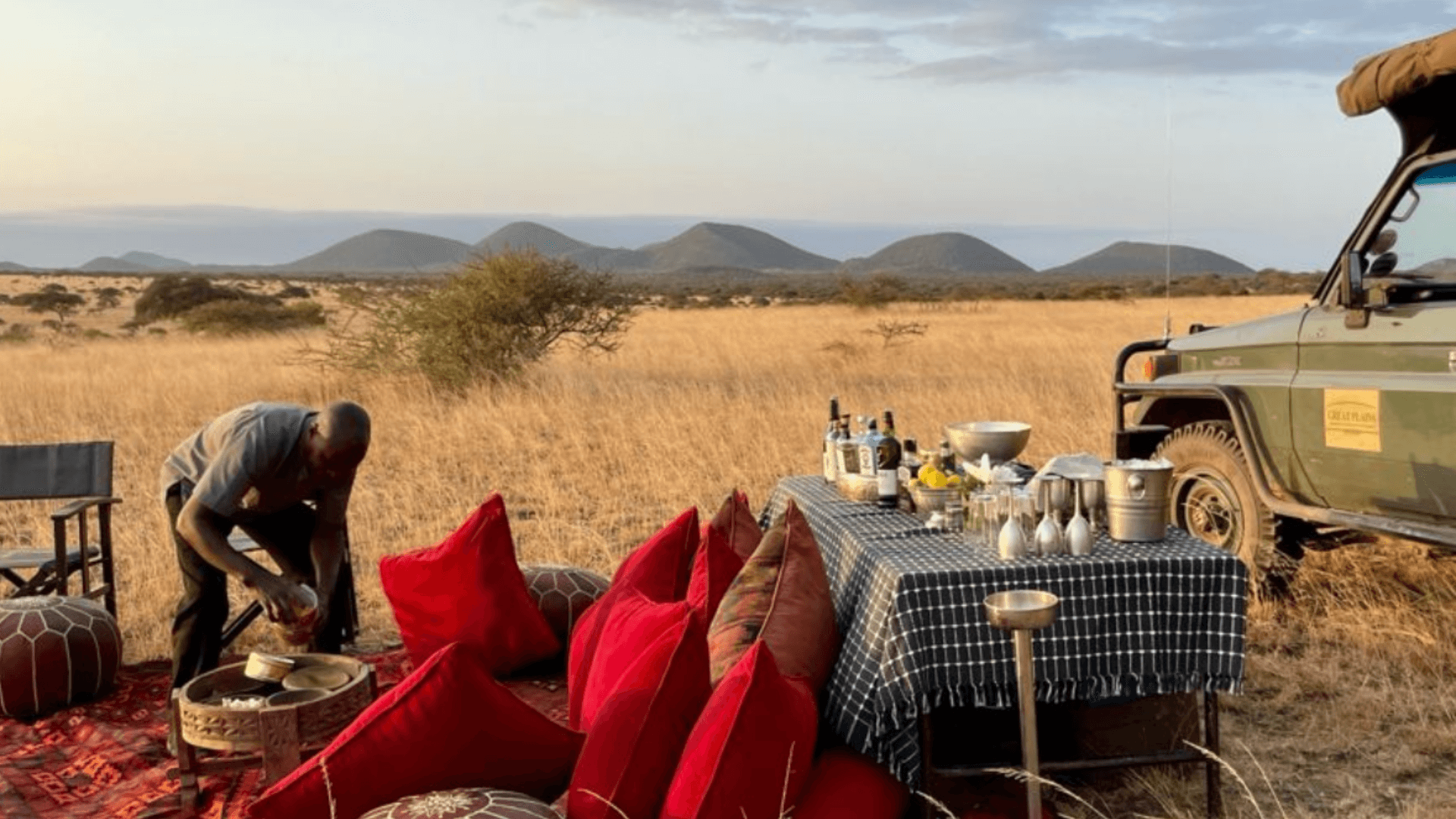
Sundowners
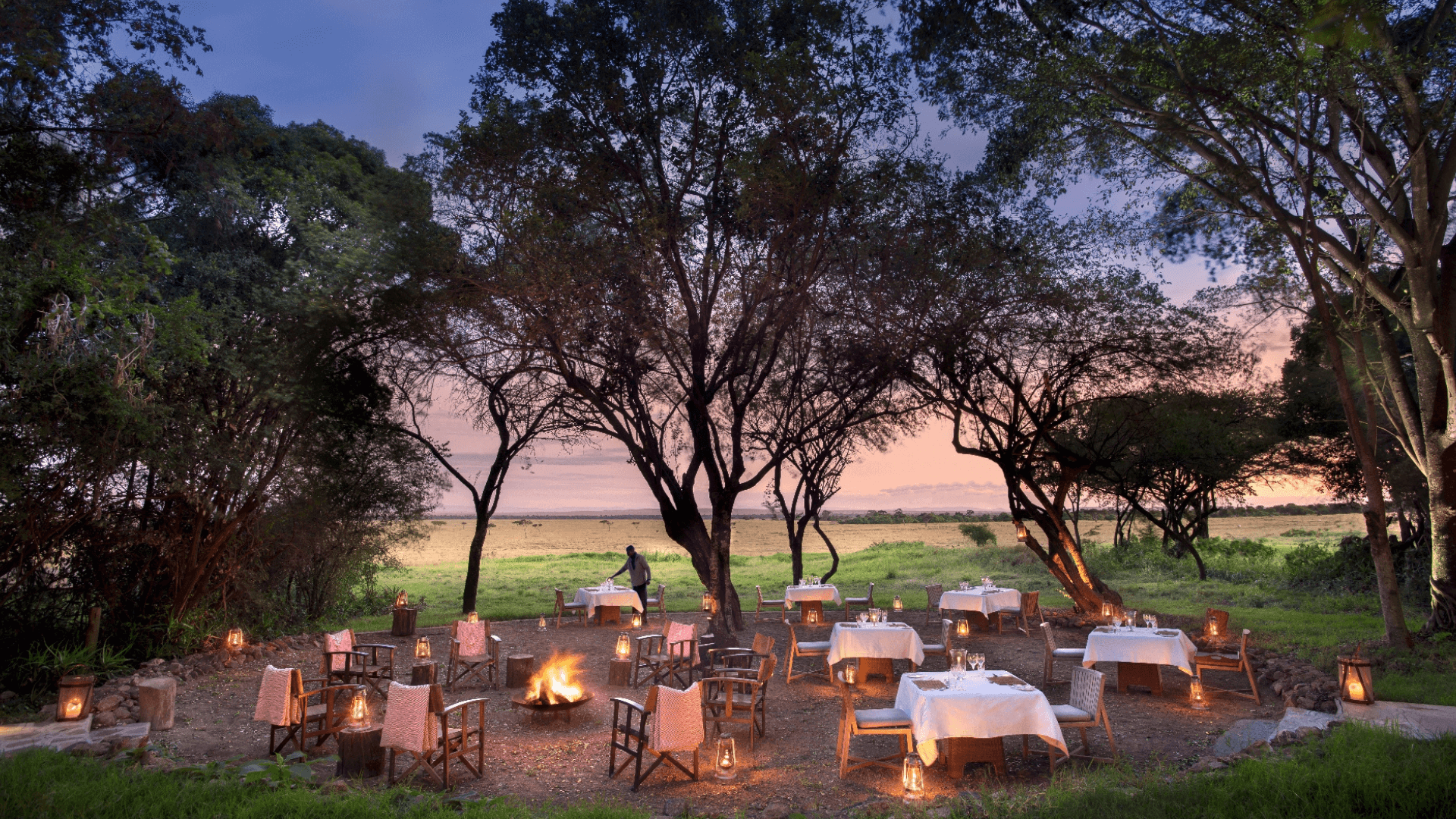
Bush Dinner
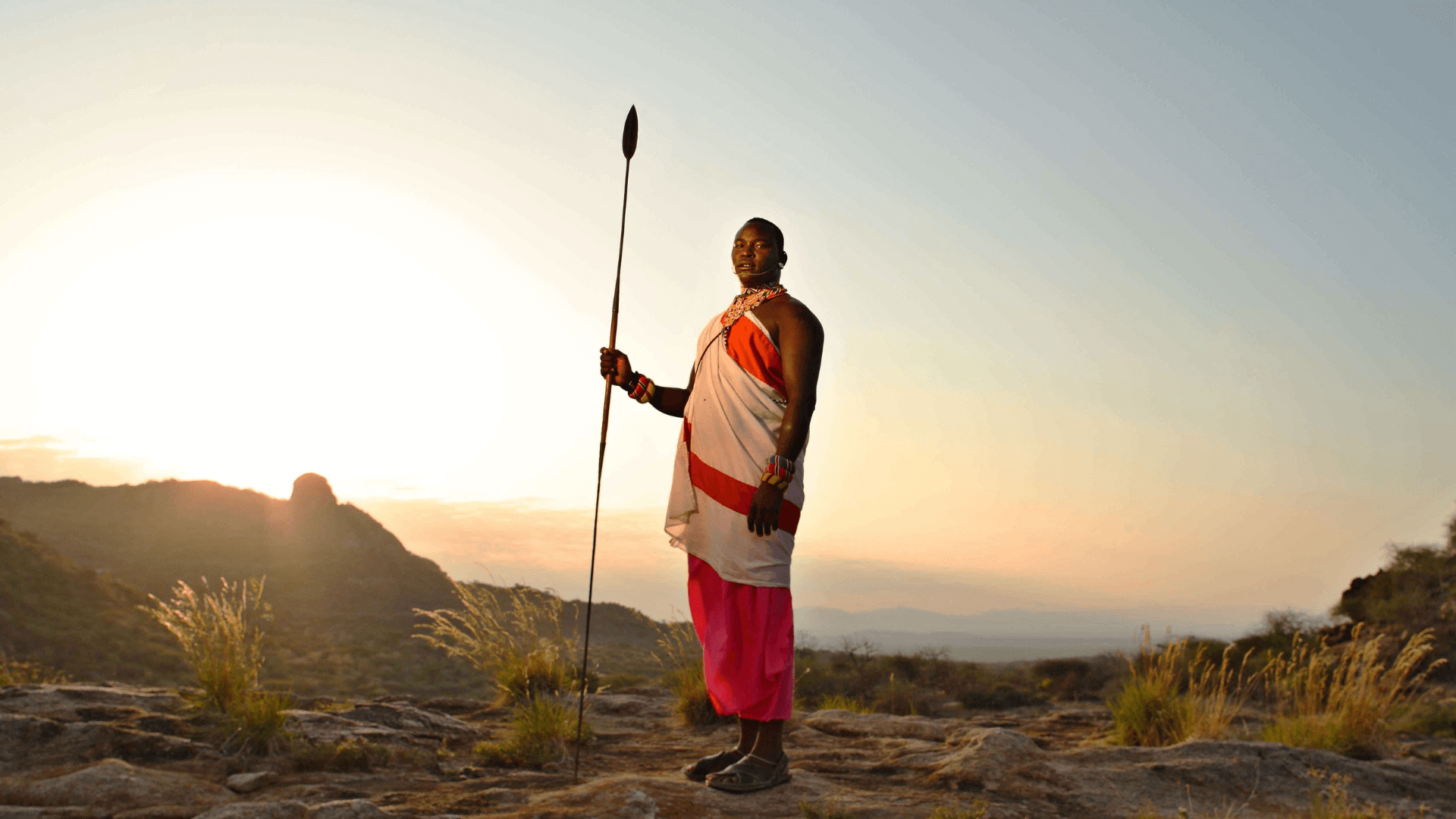
Masai Village Visit
Sample Itineraries

The Classic
6-Night Kenya Road Safari
Itinerary at a Glance:
- Day 1: Ol Pejeta
- Day 2: Ol Pejeta
- Day 3: Naivasha
- Day 4: Masai Mara
- Day 5: Masai Mara
- Day 6: Nairobi
- Day 7: Homebound

The Explorer
4-Night Kenya Road Safari
Itinerary at a Glance:
- Day 1: Rift Valley
- Day 2: Masai Mara
- Day 3: Masai Mara
- Day 4: Nairobi
- Day 5: Homebound
The above routing can also be applied to a 5-night itinerary with 3 nights in Masai Mara, or 2 nights in Rift Valley.

The Adventure
9-Night Kenya & Tanzania Road Safari
Itinerary at a Glance:
- Day 1: Nairobi
- Day 2: Rift Valley
- Day 3: Masai Mara
- Day 4: Masai Mara
- Day 5: Serengeti
- Day 6: Serengeti
- Day 7: Ngorongoro
- Day 8: Ngorongoro
- Day 9: Arusha
- Day 10: Homebound
Want to stay longer? You can extend your journey to relax on Kenya’s stunning coastline or discover nearby countries.

Kenya Coast
Kenya’s Indian Ocean coastline ranks amongst the top beaches in the world, offering a rich Swahili culture. It’s the perfect post-safari add-on, or as a standalone beach holiday.
Very popular for weddings and honeymoons as well.
Main Coastal Destinations
- Diani Beach – Most popular; luxury resorts, watersports & nightlife
- Watamu – Marine park, snorkeling, peaceful vibe
- Malindi – Historic, laid-back, Italian influence
- Lamu Island – UNESCO site; car-free, cultural gem
- Mombasa – Coastal city; beaches + city tours
Road and Flight options available from Nairobi

Destinations Kenya Works Well With
Kenya’s capital, Nairobi, is a transport hub for East Africa and it’s quite easy to get to other high-profile destinations in Africa.
Kenya Combines well with…
- Tanzania – Safari in Serengeti and Ngorongoro crater
- Uganda – Gorilla Trekking
- Rwanda – High-end Gorilla Trekking
- Zimbabwe – Witness the famous Victoria Falls
- South Africa – Visit Cape Town, Garden Route, and Kruger National Park
Travel Advice
Basic Info
Time Difference
Kenya is 3 hours ahead of GMT.
Average Climate
During your safari to Kenya you will cross several weather zones: Nairobi – cool and dry, Mt. Kenya – chilly, Masai Mara – pleasant weather but chilly during the early morning game drives. Our rainy season is from November – December and April – June that involves short light showers that stop within an hour or so. Please prepare your clothes accordingly. Informality is the keynote. Be prepared for cool evenings at higher altitudes and on safari, try to wear neutral colors as much as possible. Green, beige and khaki are best not to startle the game. A hat and a pair of sunglasses are advisable for protection against the sun. Laundry can be done at most lodges. Light comfortable shoes are important.
Currency Conversion
The currency of Kenya is the Kenya Shilling (KES).
Entertainment & Night Life
Nairobi offers the most choices for entertainment in Kenya, with an assortment of casinos, nightclubs, and movie theatres. The main theatres offer Hollywood features, with an assortment of Bollywood films showing in many of the cinemas. Nairobi and Mombasa both offer a good selection of dance clubs. Some clubs offer live entertainment in Nairobi, otherwise most feature discos with a DJ. Local theatres are located in Nairobi and Mombasa, providing productions of popular plays. Many hotels and lodges provide evening entertainment. Often this will include traditional tribal dancing.
Visa & Passport
Traveling to Kenya is now easier than ever! Visitors to Kenya no longer require a visa. Instead, all travelers simply need to obtain an Electronic Travel Authorization (ETA). The ETA is quick, straightforward, and guaranteed for every eligible traveler—so you can book your trip with confidence.
Passport Requirements
- Your passport must be valid for at least 6 months beyond your travel dates.
- Make a few photocopies of your passport—keep one with you (separate from the original) and leave one at home for safekeeping.
Electronic Travel Authorization (ETA)
- Since January 2024, Kenya requires most visitors to obtain an ETA before arrival.
- The ETA replaces the old visa system—visas on arrival are no longer issued.
- Apply online at the official portal: www.etakenya.go.ke.
- Processing usually takes about 3 working days, and approval is guaranteed for all eligible travelers.
Who Doesn’t Need an ETA?
- Citizens of certain countries are exempt from the ETA requirement.
- This includes travelers from East African Community partner states (Uganda, Tanzania, Rwanda, Burundi, South Sudan, and the Democratic Republic of Congo) as well as some Caribbean and Pacific nations.
- For the latest exemption list, check the official ETA website.
What You’ll Need to Enter Kenya
- Valid passport
- Approved ETA (if required for your nationality)
- Return or onward ticket
- Proof of sufficient funds for your stay
Health & Safety
Kenya is a very safe country to visit. Its tourism industry is one of the most important in the country and thousands of travellers go on safari safely every month.
Air Evacuation insurance
For any dire emergencies, our air evacuation policy is there for you, included with every safari.
Certified driver guides/ safari directors
All our driver guides and safari directors have been rigorously trained to adhere to our very stringent safety measures.
24/7 concierge service
For any help whatsoever, small or big, our concierge service is always there for you.
Fully inspected Vehicles
Our vehicles are inspected and serviced after every safari with backup vehicles always on standby.
On ground offices
With our offices and Cosmic directors on ground in Africa you can be rest assured we’ve always got your back.
Health and Hygiene
We prioritize guest well-being with sanitized vehicles, high hygiene standards at lodges, and travel in malaria-low-risk zones. Medical support is never far.
Safe from City Crime
Our guests spend their time in remote, peaceful safari regions—far from urban crime zones—with no security issues on the tourist circuit.
Anti-theft measures
All accommodations and vehicles are secured, and our staff is trained to safeguard guest belongings, with safes available in most lodges.
Trusted Safari Circuit Only
Our itineraries stick to Kenya’s well-established and secure safari routes, where tourism is the main economy and safety is paramount.
Secure Accomodation partners
We only work with vetted lodges and camps that meet international safety and hygiene standards, with 24/7 security on site.
Packaging List
Proper planning and packing is the key to a safe and comfortable trip to Kenya. Make sure you keep the following in mind when packing for your trip.
Remember that Kenya has a tropical climate. You should prepare yourself for a wide variety of conditions that may include dust, and wet, hot and/or cool weather. Put careful thought into your preparations and pack accordingly depending on your reason for traveling to Kenya and the activities you intend to participate in. Furthermore, make certain that your luggage can withstand harsh conditions as well, particularly if you intend to travel to different parts of the country. You also need to keep the requirements of the airline you will be flying with in mind. And don’t forget to leave some space to bring back gifts!
Here are some basics to have when packing for your trip to Kenya:
• Camera
• Basic essentials
• Comfortable, lightweight, and casual clothes (if you are on a safari, neutral is best, bright and bold is not)
• Comfortable and strong shoes or boots
• Brimmed hat
• Sunscreen
• Insect repellent
• Formal / Occasional wear (depending on your reason for travel)
• Toiletries
• Prescription medication
• Sunglasses (and a spare pair)
• Medical kit (for exploration)
• Swiss Army Knife (for exploration)
• Flashlight (for exploration)
• Video camera and accessories
• Binoculars
• Travel documents – passport, visa, others
• Vaccination Certificates
• Insurance Documents
• Traveler’s cheques
• Credit / Debit cards
Do’s & Don’ts
• We understand that you want to take as many pictures of the beautiful country as possible, but before you begin to take pictures of houses or people, ask for their permission. In some cases, you may be required to offer a tip for those pictures.
• Watch your money. Make sure that, when switching currency you do so in a reputable hotel, foreign exchange bureau or bank.
• Do not display your valuables to the world; this will keep you from being the target of theft.
• Only carry what you need in regards to money when venturing out.
• Keep yourself “undercover” – do not display jewelry.
• If you are going on a safari, watch your clothing choices. Bright colors (such as whites and blues) attract wild animals as well as insects. Camouflage clothing, is in some cases, illegal to wear.
• Never approach a wild animal, even if they appear harmless.
• Drinking water – it is safer to drink bottled or mineral water.
• Tipping is OK although not mandatory in most places. A tip of $5 (or equivalent) is acceptable for most services.
Getting Around


International & Domestic Airports
- International flights land at Jomo Kenyatta International Airport (JKIA) – Nairobi’s main airport and East Africa’s hub.
- Light aircraft flights for fly-in safaris (Masai Mara, Amboseli, Samburu, etc.) depart from Wilson Airport, ~15 km (10 mi) from JKIA.
- Allow up to 45-60 minutes for road transfer between JKIA and Wilson Airport.
Scheduled Flights, Charter Flights & Bush Transfers
- Flights save time and avoid long road transfers.
- Private jet and charter flight services available on request.
- Transfers from bush airstrips to lodges are done in 4×4 safari vehicles (note: no AC).
Ground Transfers
- Airport transfers in Nairobi: Toyota Noah/Mercedes V-Class or 22-seater bus for groups
- Safari drives are conducted in custom 4×4 safari vehicles (note: no AC)
Road Safari VS Flying Safari
While most safari circuits and done by road, there is also an option to fly from one national park to another and complete the whole circuit flying. It is also possible to offer a combination of both options.

Road Safaris
Best for: Budget-conscious travelers, scenic drives, or guests who prefer overland travel.
Transport: Custom 4×4 safari vehicles with pop-up roofs for game viewing (no AC).
Pros:
- More affordable than flying safaris.
- Allows you to see Kenya’s countryside and landscapes up close.
- Opportunity for stops and cultural visits along the way.
Cons:
- Long travel times (e.g., 5–6 hrs from Nairobi to Masai Mara).
- Can be tiring due to bumpy roads and travel duration.

Flying Safaris
Best for: High-end travelers, families with young kids, honeymooners, or those short on time.
Transport: Light aircraft (Cessna Caravans), flying from Wilson Airport to bush airstrips.
Pros:
- Quick and efficient (e.g., 45 mins to Masai Mara).
- Less fatigue—more time spent on safari, less on the road.
- Aerial views of landscapes and wildlife.
Cons:
- More expensive due to flight costs.
- Luggage restrictions (typically 15kg soft bags per person).
- Some guests may be nervous about small planes.
Why Cosmic

Experience
Cosmic Safaris has been expertly crafting and delivering African tours for 17 years.

Reliable
Our fantastic relation with most property collections in East Africa assures that you get exactly what you pay for and more.

Personal Touch
Cosmic Safaris Directors are personally involved with every single booking, going as far as hosting a personal meal for every group that arrives.

Ultimate Luxury
From the time you land to the time you leave, you will be spoiled by our incredible hospitality. Warning: you may not want to return.

Simple
One Payment covers everything. Period.

Spectacular Team
From our certified driver guides to our professional concierge service, we couldn’t do it without the expert input from our stupendous team.

Environmental Awareness
Our country is blessed with incredible natural beauty, and it’s in our hands to preserve it. We have implemented various methods to ensure we do this.

Social Awareness
As fun as it may be to book an ultra luxurious safari, the reality in Africa is far from that, you can see our social projects to combat this here.